
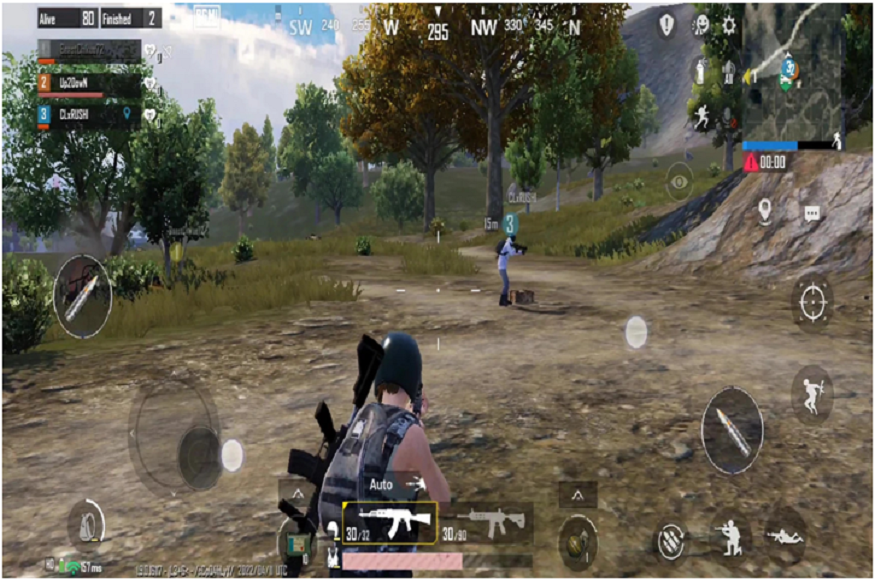
If you play mobile shooter games regularly, it is likely that you will start to notice something in a while. The game itself doesn’t change much, but the way it feels does. A quick match feels one way. A ranked match feels different. Both are played in the same action setup, yet their playing styles are very different.
In a quick match, players generally drift first, not necessarily on purpose. It loads quickly and has fewer questions, and lets the user start quickly. Some players also use it to warm up before a multiplayer one. Others jump in just to explore and have fun. In shooting games like BGMI and many more, this mode often becomes the place where mistakes don’t delay things. You miss something, you move on. No one really keeps score in their head.
Ranked matches slow everything down, even when the pace looks similar. Players hesitate more. They check corners twice. Movement becomes deliberate rather than constant. In many shooting games, ranked modes tend to reward repetition over creativity. With experience, players know of quick tricks that help them win. Instead of trying new things, sticking to the strategy often helps.
The difference becomes most visible in how people think during a match. Quick matches rarely demand reflection. You play, you react, and the round ends. Ranked matches within action titles are displayed differently. Small decisions hang around longer. Positioning, timing, and patience quietly shape what happens next. It’s not pressure exactly, just awareness.
Time Management is the key:
Like most games, time matters in these games as well. Quick matches fit into gaps. Ranked matches ask for space. If your connection drops or you get distracted, it shows. That alone changes how players approach the mode on a given day.
Clear communication with accuracy helps:
Communication follows the same pattern. Quick matches involve little coordination. Ranked play leans on short, clear exchanges. Over time, players stop talking more and start talking better.
Neither mode replaces the other. Quick matches help players stay loose. Ranked matches help them stay consistent. Moving between both keeps action gameplay interesting while slowly sharpening how players approach shooting games.
Match practice and experience are vital
There is also a personal rhythm that develops over time. Many players switch modes based on how alert they feel rather than what they want to achieve. On some days, quick matches feel right because they allow room to play without planning ahead. On other days, ranked matches make more sense simply because the player is already focused.
Experience plays a role here. Newer players often move between modes without noticing much difference at first. With time, players start to identify the patterns. They recognise the consequences of rushing vs waiting to find what works best for them. These small observations usually come from repetition rather than instruction. This happens in games like BGMI.
Another overlooked aspect is fatigue. Short sessions tend to hide it, while longer competitive matches bring it to the top. Performance drops with drop in concentration, and this results in decision-making changes. Some players respond by slowing down while others take a break and return later. Neither approach is wrong; it’s just part of learning how you play.